Featured
Table of Contents
Depth therapy is a restorative technique based on the job of Swiss psychiatrist Carl G. Jung. Depth therapy is founded on the belief that the majority of mental health problems are brought on by unconscious motivations which exposing and exploring these motivations is the key to recovery. There are several various methods that drop under the umbrella of depth treatment, one unifying goal of specialists that specialize in depth treatment is to incorporate the unconscious mind with the aware.
Psychology is developed around the study of the human mind, which several noticeable psychologists have believed to be affected by the unconscious. Deepness psychology is a branch of psychology that explores the subconscious elements of the human subconscious to understand the underlying motivations and feelings that drive actions. The subconscious mind is a key component of depth psychology.
Depth psycho therapists typically see the human psyche as both conscious and unconscious, and psychoanalysis is commonly their primary psychotherapeutic strategy. There is a belief that uncovering unconscious forces can be inherently healing.
How Trauma therapy Utilizes The Window of Tolerance
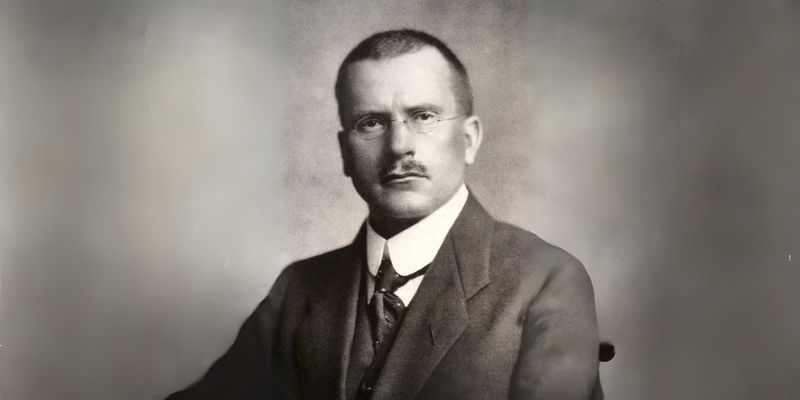
As component of his work, Jung believed in a deeper cumulative unconscious and representative archetypes. The collective subconscious, according to Jung's deepness psychological viewpoint, helps clarify our disposition towards myth-making and fantasizing. Underlying this combination is the concept that the human mind is partly aware and partially subconscious, saving experiences and problems that may have been repressed, in addition to cumulative and stereotypical pressures.
Your psychotherapist can offer support as you make modifications in just how you react and can aid you with considerably tough scenarios. Depth pyschotherapy is well-suited to participants that intend to address deep-rooted psychological and emotional challenges, as well as injury. There might be actions that you proceed to repeat even though they are damaging to you.
Early Wounds and Later Functioning

You might need to be motivated and patient throughout the procedure, however it could help you uncover much more regarding on your own with an exploration of your subconscious thoughts. This procedure might aid with any type of life tests you are dealing with and aid you move forward with greater understanding.
Bleuler was the director of the Burghlzli Asylum in Zrich, where Carl Jung began his career. Experts like Sigmund Freud, Alfred Adler, and Otto Ranking added to the growth of this field. Nevertheless, this area is most closely related to Jung's job. The approaches of this first wave of psychology look for to go past behavioral and cognitive processes to the unconscious inspiring variables beneath them (hence the term "deepness").
By bringing the subconscious material of the specific to consciousnessboth individual and collectiveone relocations from fragmentation and "one-sidedness" toward integrity. Jung thought that we were all looking for the very same thing: the spirit. From his view (and straight experience), one needs to welcome one's internal worldexploring one's desires and imaginationto at some point arrive at a phase of wholeness where one's soul is understood.
Frequent Misunderstandings About EMDR Treatment
With each other, they stand for opposing forcesyin and yang. For this factor, the experts of deepness psychology needed to create a brand-new language for studying and analyzing signs and new methods for connecting via images. Integrating the opposites can be tough, as it needs an alchemical process that eventually results in psychological combination.
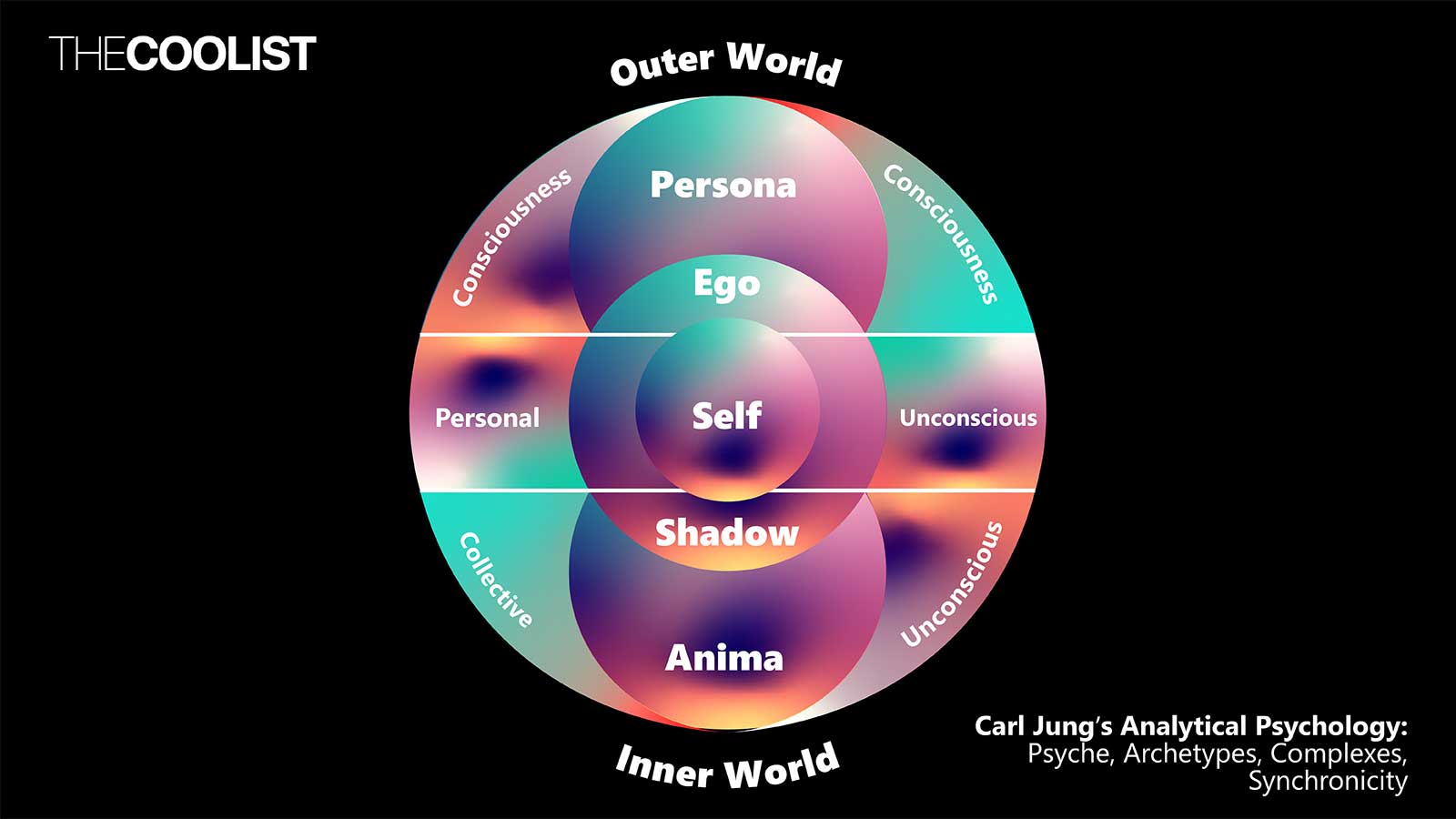
To get to recognize one's shadowthe components of oneself that is removed and divorced fromrequires consistently confronting the vanity's identification. Depending on one's degree of inner resistance and will, this procedure can be challenging for several individuals. Consequently, practitioners like Jung (and scholars like Joseph Campbell) consider it a "brave act" to connect the gap in between the aware and the unconscious.
Freud was brushing the younger Jung to be his follower. Jung recommended a different name for their emerging area: psyche-analysis.
Jung saw their duty as an evaluation of the human mind, spirit, and spirit. That is, Jung saw a very different image of the human condition than Freud. Freud viewed his clients to be ill while he, as an expert, was not. Psychoanalysis, sadly, set the tone for the next century of psychology, which mostly focused on mental disease.
Visual Techniques to Image Transformation therapy
Jung thought that we are ALL fragmented and split, and knowingly or otherwise, we're all searching for our spirits. This look for one's soul is at the facility of deepness psychology. Sigmund Freud (facility) and Carl Jung (ideal) in 1909Credit: Wellcome Library, London. Wellcome Images The insights derived from analytic theory are, generally, discovered outside academia.
D. in psychology, you aren't likely to engage with Jungian concept other than perhaps in a history course (where they show you that psychoanalysis was the "initial wave"). The scholastic field of psychology is, as Jung would certainly state, prejudiced. It's nearly exclusively focused on the mindful mind (what he called the reasoning feature).
It makes sensemost individuals run totally within the conscious mind, the world of the ego. Below, the ego is in charge and attempts to control itself and its setting. Deepness psychology, in comparison, requires us to interact with the subconscious domainto go into the usually uncertain globe of symbols, pictures, and feelings.

Latest Posts
Bereavement Support and Loss and Trauma through Grief counseling
Competitive Re-Entry Throughout Treatment
Strengthening Mental Health Through Motivational Interviewing Therapy Methods